
Drug Rehab Structured Recovery While You Stay Home
Pills, powder, bags, bottles—substance problems rarely stay neat. Many people use more than one drug, or rotate between them as tolerance shifts. Our outpatient drug rehab treats opioids, stimulants, benzodiazepines, and polysubstance patterns through PHP and IOP, with psychiatric care and dual diagnosis support when mental health and addiction overlap.
 Verify Insurance


- Dual Diagnosis Experts
- Open Every Day, 8–8
- 4.8★ · 62 Google reviews
We Accept Most Insurance Plans:





We’ll verify your treatment benefits in minutes — 100% confidential.
Substance use disorder is a medical condition—not a identity
Drug problems rarely announce themselves cleanly. Someone might start with pain pills, add benzos to sleep, use cocaine to counter the sedation, then drink to come down. Polysubstance use is the norm, not the exception—and treating one drug while ignoring the others usually fails.
Outpatient drug rehab at RD means structured PHP or IOP with therapy, group work, relapse prevention, and on-site psychiatric care. We coordinate detox when withdrawal is unsafe and integrate dual diagnosis treatment when depression, trauma, or anxiety drive the use.
 Opioids & fentanylStimulantsBenzosMultiple substances
Substances and patterns we see most often
Whatever you’re using, the approach starts with an honest assessment—not a lecture.
- 01
Opioids
Prescription painkillers, fentanyl, heroin—with MAT-informed planning when appropriate.
- 02
Stimulants
Cocaine, methamphetamine, and prescription stimulant misuse—intensive behavioral therapy and crash mood support.
- 03
Benzodiazepines
Xanax, Klonopin, and other sedatives—with careful taper planning when dependence is present.
- 04
Alcohol
Often combined with other drugs—treated as part of one polysubstance picture.
- 05
Polysubstance use
Multiple drugs at once get one integrated plan, not parallel tracks.
- 06
Dual diagnosis
Depression, PTSD, bipolar disorder, and chronic pain treated alongside substance use.
One team, one plan—whatever the substance mix
Effective drug rehab addresses biology, psychology, and environment together.
- 01
Medical detox coordination
Safe withdrawal management when stopping suddenly is dangerous.
- 02
Evidence-based therapy
CBT, motivational interviewing, and relapse prevention tailored to your substances.
- 03
Group therapy
Accountability and connection with others who understand cravings and shame.
- 04
Psychiatric care
On-site evaluation and medication for co-occurring mental health conditions.
- 05
MAT-informed planning
Medication support for opioid use disorder when clinically appropriate.
- 06
Family and environment planning
With consent, addressing home dynamics and support systems that affect recovery.

Real recovery happens in real life
Residential rehab removes access temporarily. Outpatient rehab teaches you to refuse, cope, and reach for help while dealers, stress, and old friends are still in the picture—with a clinical team behind you.
That’s often what working parents, professionals, and people with prior failed rehabs need: intensity without disappearing.
Keep work & custodyEvening IOPPolysubstance expertiseDual diagnosis built inRight intensity for where you are now
We recommend the level that matches safety, withdrawal status, and use severity—not a one-size program.
- 01
Detox coordination
Medical supervision when required before outpatient begins.
- 02
Partial Hospitalization (PHP)
Daily structure in early recovery or after detox.
- 03
Intensive Outpatient (IOP)
Flexible ongoing therapy and relapse prevention.
- 04
Step-down and continuing care
Taper support with a long-term plan for setbacks.
Honest assessment, then a plan you help build
First conversations focus on what you’re using, how much, what happens when you stop, and what you’ve tried before. No shame script—just clarity about what will actually help.
Weeks that follow blend group, individual work, psychiatric check-ins when needed, and practical planning: housing, work, legal issues, and the relationships that will support or sabotage recovery.
No shame intakeIndividualized planGroup accountabilityPsychiatric on-site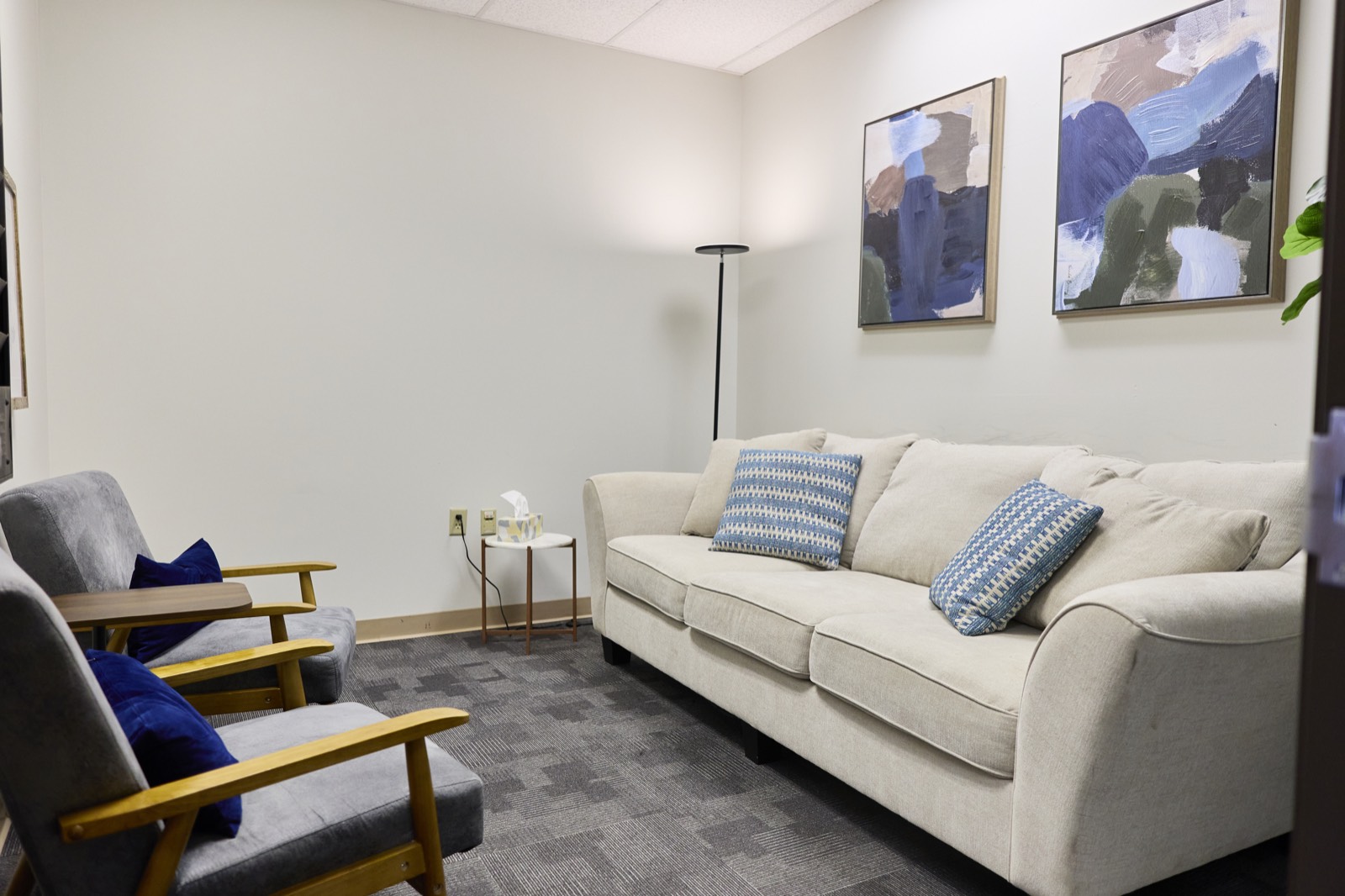
Our Texas clinics
Two Texas outpatient clinics—same clinical team, same hours, same phone number.
- 01
Dallas & Richardson, TX
1251 S. Sherman St., Suites #101–#103, Richardson, TX 75081—serving the Dallas–Fort Worth metro. Open every day 8am–8pm.
- 02
San Antonio, TX
11318 Sir Winston St, San Antonio, TX 78216—serving San Antonio and South Texas. Open every day 8am–8pm.
- 03
Call 469-747-1201
Confidential assessment and free insurance verification—often same-day or next-day start.
How to get started
Four steps, and a real person with you at every one.
- 01
Confidential assessment
A licensed clinician learns your history and recommends the honest level of care.
- 02
Insurance verified for you
We confirm your benefits and explain coverage before you commit.
- 03
- 04
Build skills that last
Relapse prevention and step-down planning so progress holds after treatment.
What clients say
Rated 4.8 out of 5 across 62 Google reviews from clients across North and South Texas.

“Real Deal is without a doubt the most structured and therapeutic rehab program I have ever attended. It has brought me to one year in sobriety and I don't know what I would have done had I not participated in the program. I highly recommend Real Deal to anyone struggling with alcohol and/or drugs. It's amazing. Just try it and you will see for yourself!”
“Realdeal wellness and therapy will always have a special place in my heart for all the opportunities and care they've provided. They helped pave the way for me to achieve sobriety and build a better life for myself and when I needed them the most they were there in a heartbeat. Extremely grateful for their services and the environment they provide for recovery.”
“Real deal is a truly rare place that has instrumental in my rehabilitation. The staff truly cares deeply about you and wants you to succeed. Also Real Deal is one of not many outpatient rehab places that takes primary mental health cases. Highly recommend this place and thank you to everyone who helped me.”
“I love all of these guys. These guys made me feel better. They made me think better. I don't feel those ways anymore. Before I came here, I was certain I wouldn't be alive for much longer. These guys fixed that.”
“The Real Deal is an incredible program that prioritizes accessibility more than almost any other PHP, IOP, and Housing program. With housing fees at lower price point than a majority of sober livings, the option to have your pet with you, and a supportive recovery community, they really do try to eliminate barriers to care as much as possible.”
“Real Deal is different then the others. It offers flexible support for recovery, allowing you to live at home while attending therapy and counseling sessions. It's designed to fit your schedule and provides tools to maintain sobriety and prevent relapse. The focus on mental health is a great way to get to the root of what's gone wrong time and time again. Cannot recommend enough!”
“Real Deal is full of people who are passionate in helping others obtain and maintain their sobriety. They are always willing to lend a helping hand without judgement. They also have employees with real world experience using their own experiences to help others heal.”
Related treatment pages
- 01
Alcohol Rehab
Alcohol-specific care
- 02
Opioid Treatment
Opioid-specific care
- 03
Stimulant Treatment
Cocaine and meth care
- 04
Addiction Treatment
Full addiction overview
- 05
Dual Diagnosis
Drugs and mental health
- 06
Detox & Next Steps
Medical detox coordination
Common questions about drug rehab
Straight answers before you call.
Opioids, stimulants, benzodiazepines, alcohol, and polysubstance use—with substance-specific clinical tracks.
For many people, yes—especially when they need daily structure but can’t leave home for residential care. We assess honestly and refer up when inpatient is safer.
Depends on the substance. Benzodiazepine and alcohol withdrawal can be dangerous; opioid withdrawal is miserable but often manageable with medical support.
Yes. Multiple substances at once get one integrated plan—not separate silos.
Yes. Dual diagnosis is core to our approach.
Many people do, especially in evening IOP.
Most major plans cover outpatient addiction treatment. We verify benefits for free.
Call 469-747-1201 for a confidential assessment.