
Alcohol Rehab Sober Without Starting Your Life Over
Daily drinking, binge weekends, or the shake before your first beer of the morning—alcohol problems look different on everyone. What they share is the way alcohol slowly takes up space until life organizes around it. Our outpatient program offers medical oversight, structured therapy, and dual diagnosis care while you stay at home, keep your job, and rebuild from inside your actual life.
 Verify Insurance


- Dual Diagnosis Experts
- Open Every Day, 8–8
- 4.8★ · 62 Google reviews

We Accept Most Insurance Plans:





We’ll verify your treatment benefits in minutes — 100% confidential.
Alcohol use disorder exists on a spectrum—and all of it is treatable
Some people drink heavily every day; others binge on weekends and white-knuckle the week. Some hide bottles; others drink openly at dinners that slowly turn into obligations. Alcohol is legal, normalized, and everywhere—which makes admitting a problem harder and relapse triggers constant.
Outpatient alcohol rehab at RD provides PHP and IOP with therapy, group accountability, relapse prevention, and psychiatric support. We coordinate medical detox when withdrawal is unsafe to manage alone.
 Daily drinkingBinge cyclesWithdrawal symptomsDrinking to sleep
Signs alcohol may be a clinical problem—not just a habit
You don’t have to hit rock bottom to deserve help.
- 01
Loss of control
Drinking more or longer than intended; failed attempts to cut back.
- 02
Tolerance
Needing more alcohol to feel the same effect.
- 03
Withdrawal
Shakes, sweating, anxiety, or nausea when alcohol wears off—often relieved by drinking again.
- 04
Life interference
Work problems, relationship damage, DUIs, or health warnings from a doctor.
- 05
Preoccupation
Planning around drinking, hiding supply, or anxiety when alcohol isn’t available.
- 06
Using alcohol for mood
Drinking to numb depression, anxiety, or trauma—which worsens both over time.
Medical oversight plus therapy that addresses why you drink
Stopping is step one. Staying stopped requires understanding triggers, mood, and environment.
- 01
Withdrawal assessment and detox coordination
Safe medical supervision when stopping suddenly could be dangerous.
- 02
Relapse prevention planning
Map people, places, emotions, and routines that precede drinking.
- 03
Motivational interviewing and CBT
Work through ambivalence and the beliefs that justify returning to alcohol.
- 04
Group therapy
Honest conversation with others who understand the shame and the cravings.
- 05
Psychiatric care
Treat depression, anxiety, PTSD, and sleep disorders that drive drinking.
- 06
Dual diagnosis integration
One plan when mental health and alcohol use overlap.
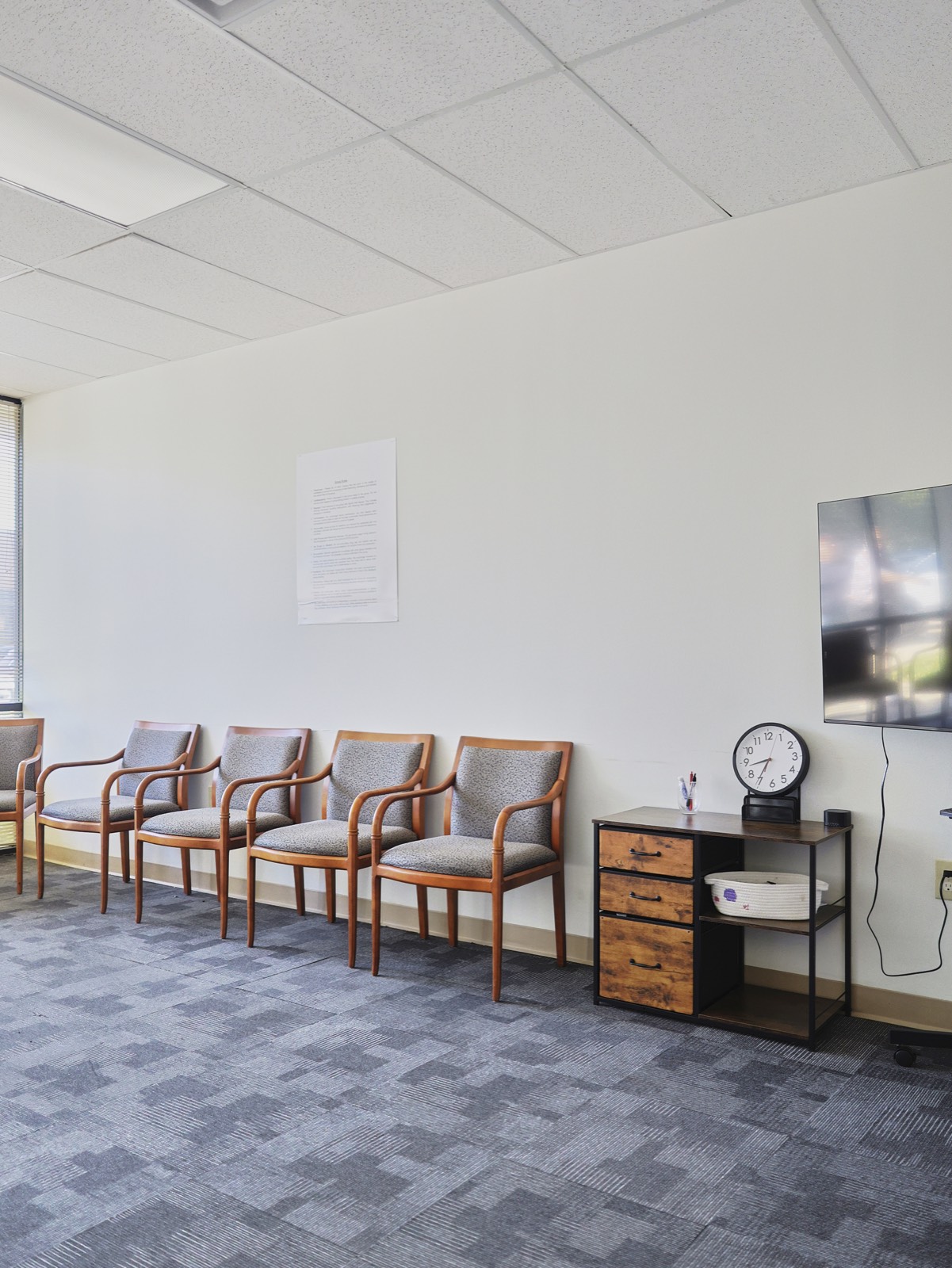
Learn sobriety where alcohol is everywhere
Texas culture runs on happy hours, tailgates, and work dinners with open bars. Inpatient rehab removes those triggers temporarily; outpatient rehab teaches you to navigate them with support.
For parents, professionals, and caregivers who can’t vanish for 30 days, that’s often the difference between getting help and postponing until the next crisis.
Navigate real triggersKeep your jobEvening IOPFamily involvementFrom detox through long-term recovery planning
Severity, withdrawal risk, and co-occurring conditions guide the recommendation.
- 01
Medical detox coordination
When stopping requires supervised care.
- 02
Partial Hospitalization (PHP)
Intensive daily structure in early sobriety.
- 03
Intensive Outpatient (IOP)
Flexible therapy and accountability with morning or evening tracks.
- 04
Continuing care
Step-down with a plan for holidays, stress, and setbacks.
Early sobriety is structured for a reason
First weeks emphasize showing up, honesty in group, sleep and mood stabilization, and practical planning—what to do at the work event, how to talk to your partner, whether your home environment needs changes.
Cravings come in waves. Treatment teaches you to ride them without acting—and to call for help when the wave is bigger than usual.
Trigger planningGroup honestySleep supportFamily sessions optional
Our Texas clinics
Two Texas outpatient clinics—same clinical team, same hours, same phone number.
- 01
Dallas & Richardson, TX
1251 S. Sherman St., Suites #101–#103, Richardson, TX 75081—serving the Dallas–Fort Worth metro. Open every day 8am–8pm.
- 02
San Antonio, TX
11318 Sir Winston St, San Antonio, TX 78216—serving San Antonio and South Texas. Open every day 8am–8pm.
- 03
Call 469-747-1201
Confidential assessment and free insurance verification—often same-day or next-day start.
How to get started
Four steps, and a real person with you at every one.
- 01
Confidential assessment
A licensed clinician learns your history and recommends the honest level of care.
- 02
Insurance verified for you
We confirm your benefits and explain coverage before you commit.
- 03
- 04
Build skills that last
Relapse prevention and step-down planning so progress holds after treatment.
What clients say
Rated 4.8 out of 5 across 62 Google reviews from clients across North and South Texas.

“Real Deal is without a doubt the most structured and therapeutic rehab program I have ever attended. It has brought me to one year in sobriety and I don't know what I would have done had I not participated in the program. I highly recommend Real Deal to anyone struggling with alcohol and/or drugs. It's amazing. Just try it and you will see for yourself!”
“Realdeal wellness and therapy will always have a special place in my heart for all the opportunities and care they've provided. They helped pave the way for me to achieve sobriety and build a better life for myself and when I needed them the most they were there in a heartbeat. Extremely grateful for their services and the environment they provide for recovery.”
“Real deal is a truly rare place that has instrumental in my rehabilitation. The staff truly cares deeply about you and wants you to succeed. Also Real Deal is one of not many outpatient rehab places that takes primary mental health cases. Highly recommend this place and thank you to everyone who helped me.”
“I love all of these guys. These guys made me feel better. They made me think better. I don't feel those ways anymore. Before I came here, I was certain I wouldn't be alive for much longer. These guys fixed that.”
“The Real Deal is an incredible program that prioritizes accessibility more than almost any other PHP, IOP, and Housing program. With housing fees at lower price point than a majority of sober livings, the option to have your pet with you, and a supportive recovery community, they really do try to eliminate barriers to care as much as possible.”
“Real Deal is different then the others. It offers flexible support for recovery, allowing you to live at home while attending therapy and counseling sessions. It's designed to fit your schedule and provides tools to maintain sobriety and prevent relapse. The focus on mental health is a great way to get to the root of what's gone wrong time and time again. Cannot recommend enough!”
“Real Deal is full of people who are passionate in helping others obtain and maintain their sobriety. They are always willing to lend a helping hand without judgement. They also have employees with real world experience using their own experiences to help others heal.”
Related treatment pages
- 01
Drug Rehab
All substances overview
- 02
Addiction Treatment
Full addiction overview
- 03
Detox & Next Steps
Medical detox coordination
- 04
Dual Diagnosis
Alcohol and mental health
- 05
PHP
Intensive daytime structure
- 06
IOP
Flexible morning or evening
Common questions about alcohol recovery
Straight answers before you call.
It depends on how much and how long you’ve been drinking. We assess withdrawal risk—severe alcohol withdrawal can be dangerous and may require medical detox.
Structured PHP or IOP with therapy, group work, and relapse prevention while you live at home.
Yes. Many clients hold jobs and families while drinking heavily in private—functioning doesn’t mean harmless.
Yes. Dual diagnosis care addresses both in one coordinated plan.
Yes. Evening IOP is designed for full-time workers.
You live at home and attend treatment during the day or evening—real structure without 30 days away.
Most major plans cover outpatient addiction treatment. We verify benefits for free.
Call 469-747-1201 for a confidential assessment.